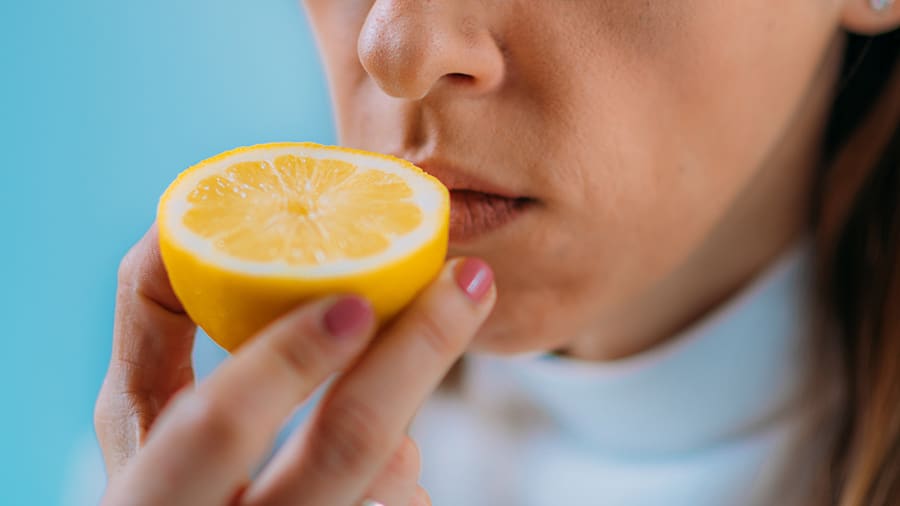
This topic received particular attention during the Covid-19 pandemic. A recently published article in the prestigious IFAR (International Forum of Allergy & Rhinology) journal concluded that smell and taste loss was reported in 68% of Covid-19 positive patients. Fortunately, about 74% of these patients recovered their sense of smell after resolution of the infection (at about 4-6 weeks).
Actually, it is not surprising that the novel Coronavirus causes a loss of smell (anosmia) since other coronavirus that cause colds, and respiratory illness as well as rhinoviruses and influenza viruses are also known to anosmia (even in the absence of other symptoms). In fact, viral related upper respiratory illness is the most common cause of this in adults. Treatment includes smell retraining with odor panels and clearing of any related bacterial infection. Most, but not all, cases recover over time.
If anosmia persists, check with your doctor to rule out causes such as nasal polyps, chronic sinusitis, and other treatable or serious conditions.